


West Footpath / Cycletrack is closed due to Maintenance Access works. Public should use the East Footpath / Cycletrack
Due to on going maintenance works there is a lane 2 closure in both directions.
Access Restrictions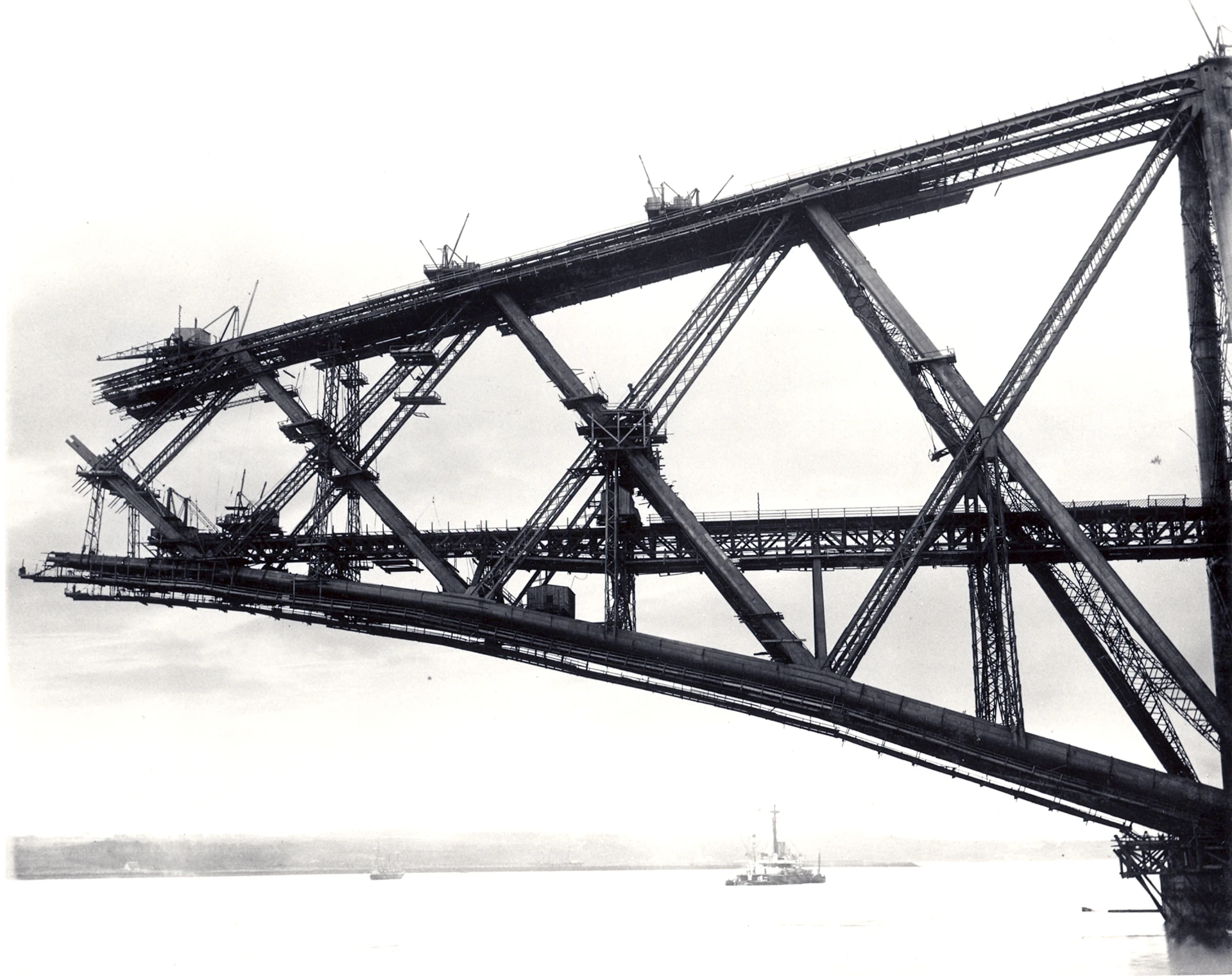
The Arrol Gantry: The Forth Bridge Connection to Titanic
8 October 2026The Arrol Gantry
The Forth Bridge Connection to TitanicSir William Arrol is widely known for his association with the Forth Bridge. As the principal contractor responsible for delivering the world’s first major steel cantilever bridge, Arrol helped create a structure that transformed the railway and became an enduring symbol of Scottish engineering excellence.
Less well known is that, nearly two decades after the Forth Bridge opened in 1890, Arrol’s company played a key role in another of the world’s most famous engineering projects: the construction of the White Star Line’s Olympic-class ocean liners in Belfast.
In the early twentieth century, shipbuilders Harland & Wolff were preparing to build a new generation of passenger ships on a scale never seen before. The planned liners, RMS Olympic, RMS Titanic and later HMHS Britannic, would be among the largest ships in the world. To construct them, the Belfast shipyard needed new facilities capable of handling unprecedented quantities of steel and thousands of workers.
The solution came from Sir William Arrol & Co. of Glasgow.
Completed in 1908, the Arrol Gantry was a vast steel-framed structure built over two specially enlarged slipways at Harland & Wolff's Queen's Island shipyard. Measuring approximately 840 feet (256 metres) long, 270 feet (82 metres) wide and 228 feet (69 metres) high, it dominated the Belfast skyline and was among the most ambitious shipbuilding structures of its day.
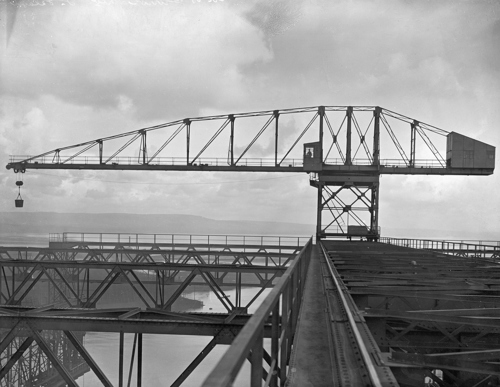
Image credit: SC 1088258 © Courtesy of HES (Records of Sir William Arrol and Company Ltd, civil engineers, Glasgow, Scotland)
The gantry incorporated electric cranes, hoists, lifts and elevated working platforms, enabling workers to position steel plates and structural components throughout the length and height of the ships under construction. Historic photographs of Olympic and Titanic show the immense latticework of steel towers surrounding the growing hulls, illustrating the extraordinary scale of both the vessels and the structure that made their construction possible.
For those familiar with the story of the Forth Bridge, the parallels are striking. Both projects required innovative approaches to working with steel on a monumental scale. Both demanded precision engineering, careful planning and the coordination of large workforces. In many ways, the expertise that Arrol’s company developed while constructing the Forth Bridge helped establish the reputation that led to commissions such as the Belfast gantry.
The Arrol Gantry also demonstrates how engineering knowledge moved between industries during Britain’s industrial age. Techniques developed for bridges, shipyards and other major infrastructure projects often influenced one another, helping engineers tackle ever larger and more complex challenges. The same spirit of innovation that shaped the Forth Bridge could also be found in Belfast as workers assembled some of the most technologically advanced ships of their generation.
Although the gantry was dismantled around 1969-70, its legacy continues through the story of the Olympic-class liners and the surviving records and photographs of Belfast’s shipbuilding heritage.
Today, visitors standing beneath the great spans of the Forth Bridge are witness to Sir William Arrol’s achievement. The story of the Arrol Gantry reminds us that his influence extended far beyond the Firth of Forth. From bridges that connected communities to shipyards that built the world’s largest ocean liners, Arrol and his workforce helped shape a great era of engineering achievement.
Visitors to the Forth Bridge can also visit a temporary exhibition, Titanic Exhibition at the Royal Highland Centre from 28th November 2026 – 14th February 2027. Ticket details are below.
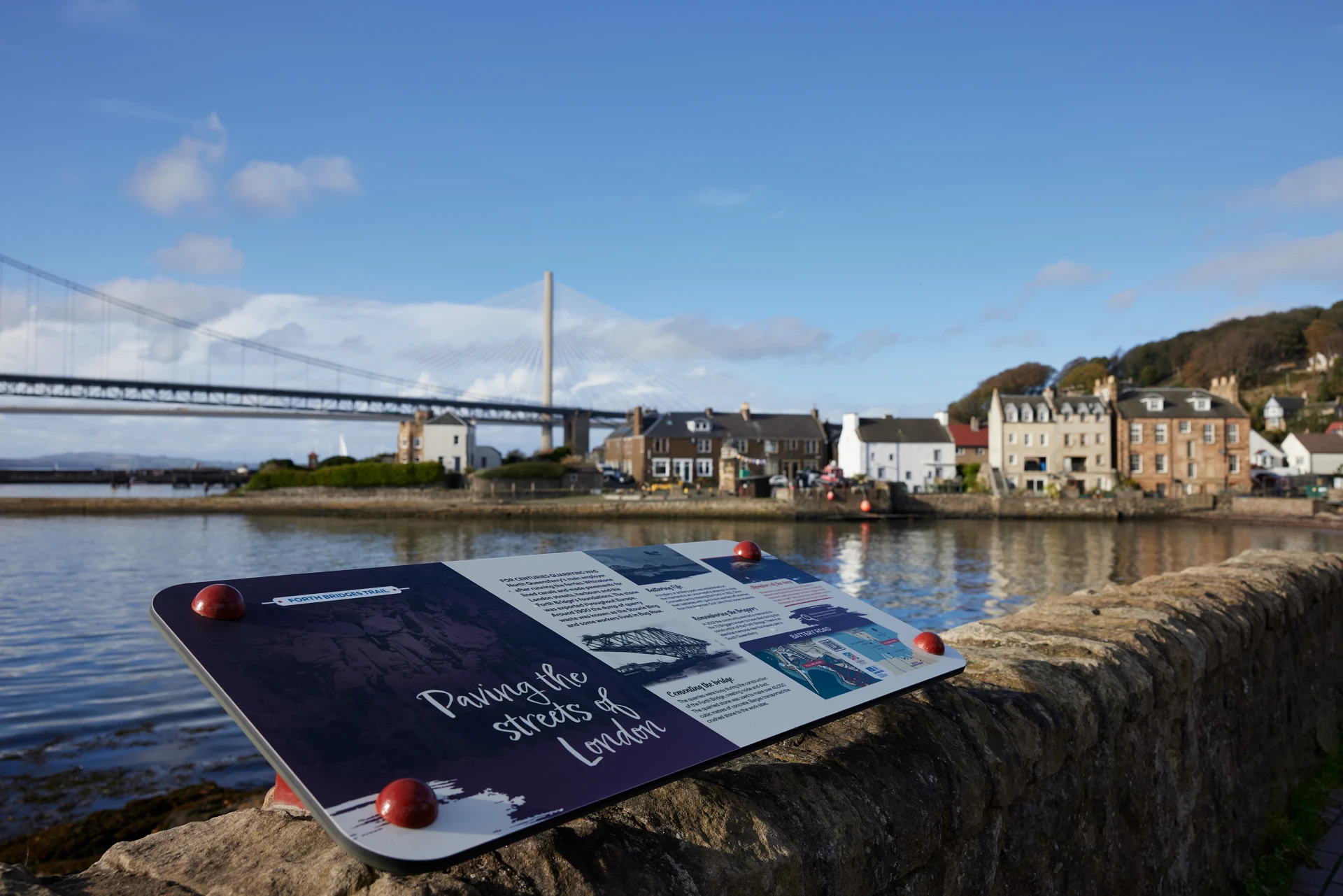
Forth Bridges Trail
The Forth Bridges Trail offers a great introduction to the bridges and local area.It takes in many points of historic interest, introduces local tales and folklore, and offers some incredible panoramic views.
A circular five mile route, the trail can easily be completed in a day. Take a picnic or stop off to sample the cafes along the way.
Walk or cycle, experience an epic train ride across The Forth Bridge and enjoy a boat trip on the Firth of Forth.